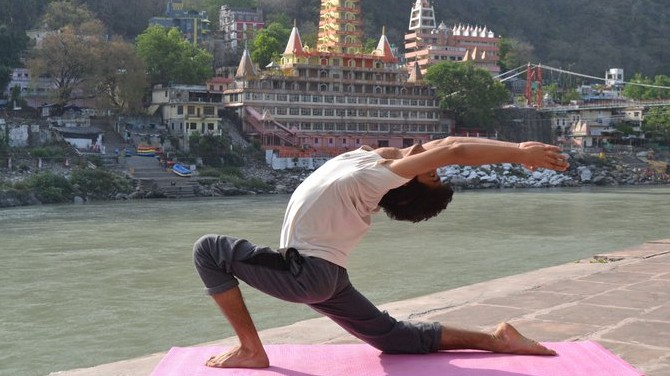

Yoga is more than a physical exercise; it is a profound system of self-discovery, discipline, and transformation. For many practitioners, what begins as a personal wellness routine gradually evolves into a deeper calling. If you find yourself inspired not only by the practice but also by the desire to guide others, enrolling in a Yoga Teacher Training Course (Yoga TTC) can be the bridge between passion and profession.
A Yoga TTC is designed to help dedicated students transition from being practitioners to becoming confident, knowledgeable, and responsible yoga teachers. It offers structured learning, hands-on experience, and a supportive environment that nurtures both personal and professional growth. Whether you dream of teaching in studios, hosting retreats, or guiding online classes, a well-structured TTC can set the foundation for a meaningful career in yoga.
Understanding What a Yoga TTC Truly Offers
Many people assume that a teacher training course focuses only on mastering advanced poses. In reality, Yoga TTC goes far beyond physical postures. It is a comprehensive program that integrates philosophy, anatomy, teaching methodology, ethics, and personal development.
One of the most respected standards in yoga education is set by Yoga Alliance, which provides internationally recognized guidelines for teacher training programs. Courses that follow such frameworks often include 200-hour, 300-hour, or 500-hour certifications, each representing a different depth of study.
A foundational 200-hour TTC typically covers:
Yoga philosophy and history
Alignment and adjustment techniques
Human anatomy and physiology
Pranayama (breathing practices)
Meditation techniques
Teaching methodology and class sequencing
Ethics and professional conduct
Advanced 300-hour and 500-hour programs build on this knowledge, refining your skills and expanding your understanding of subtle aspects of the practice.
Deepening Your Personal Practice
Before you can guide others, you must deepen your own connection to yoga. A TTC challenges you physically, mentally, and emotionally. Through daily practice, self-inquiry, and disciplined study, you begin to understand yoga as a holistic lifestyle rather than just a fitness activity.
Immersive training environments, particularly in places known for their spiritual heritage like Rishikesh, provide a unique atmosphere for transformation. Often called the “Yoga Capital of the World,” Rishikesh offers a serene setting near the Himalayas and the sacred Ganges River, making it an ideal location for introspection and focused learning.
In such environments, you wake up early, practice consistently, study deeply, and reflect daily. This rhythm helps cultivate discipline, clarity, and resilience—qualities that are essential for a professional teacher.
Gaining Technical Knowledge and Confidence
A strong Yoga TTC equips you with practical tools and theoretical understanding. Learning anatomy, for example, helps you understand how muscles, joints, and bones function during various asanas. This knowledge enables you to teach safely and confidently.
Teaching methodology sessions are equally important. You learn how to:
Design balanced and creative class sequences
Use clear verbal cues
Demonstrate postures effectively
Adjust students safely
Manage different class levels
One of the most transformative aspects of TTC is practice teaching. Standing in front of your peers for the first time can feel intimidating, but it gradually builds your confidence. Constructive feedback from trainers and classmates helps refine your communication skills and teaching presence.
Over time, you develop your unique voice as a teacher. You stop imitating others and begin expressing your own understanding of yoga, which is vital for building authenticity and trust with future students.
Exploring the Philosophy and Ethics of Yoga
Yoga is rooted in ancient wisdom. Studying traditional texts such as the Yoga Sutras allows you to explore the ethical and spiritual dimensions of the practice. Concepts like the eight limbs of yoga, mindfulness, and self-discipline provide a moral and philosophical framework for both teaching and daily life.
Understanding philosophy ensures that you teach yoga respectfully and responsibly. It reminds you that yoga is not merely a trend but a timeless system aimed at self-realization and inner harmony.
Ethics also play a central role in professional teaching. A Yoga TTC emphasizes boundaries, inclusivity, and respect for students from diverse backgrounds. As a teacher, you hold a position of influence, and ethical awareness ensures that this responsibility is handled with integrity.
Developing Leadership and Communication Skills
Teaching yoga is about more than demonstrating poses; it is about inspiring, guiding, and holding space for others. A TTC nurtures leadership skills that extend beyond the yoga mat.
You learn how to:
Communicate clearly and compassionately
Adapt to different personalities and abilities
Stay calm under pressure
Create a safe and welcoming class environment
These skills are transferable and can enhance many aspects of your life. Whether you choose to teach full-time or part-time, the confidence and communication abilities developed during TTC often positively impact personal relationships and other professional pursuits.
Turning Certification into a Career
Completing a Yoga TTC marks the beginning of your professional journey. With certification in hand, you can explore various career paths:
Teaching at yoga studios
Conducting private sessions
Offering corporate wellness programs
Hosting workshops and retreats
Teaching online classes
Specializing in areas like prenatal yoga, therapeutic yoga, or meditation
In today’s digital age, many teachers build their presence through social media platforms, websites, and online class offerings. The flexibility of the profession allows you to design a schedule that aligns with your lifestyle and values.
Embracing Continuous Growth
Yoga is a lifelong journey. A TTC provides a strong foundation, but true mastery comes from continued practice and learning. Many teachers pursue advanced training, attend workshops, and explore complementary disciplines such as Ayurveda or mindfulness coaching.
Growth also comes from teaching itself. Each class you lead offers new insights. Every student brings unique challenges and lessons. Over time, you develop adaptability, patience, and empathy—qualities that define an exceptional teacher.